.: 3iCreative :.

Pychology + Marketing

  • Psychology
  • Technology
  • Rabbit Hole

Types of Brain Damage

03/19/2011 by 3icreative

Cancerous Brain Tumors

6 Causes of Brain Damage

There are 6 causes of brain damage: 1) Brain tumors; 2) Cerebrovascular Disorders; 3) Closed Head Injuries; 4) Brain Infections; 5) Neurotoxins; and 6) Genetic Factors. The behavioral consequences of brain damage depend on where the damage is taking place in the brain.

1) Brain tumors

  • Neoplasm – A neoplasm is a new growth in the brain. Some may be cancerous, some may not.
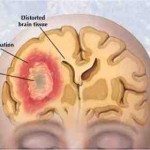
  • Meningiomas – About 20% of brain tumors are meningiomas, or tumors that grow between the 3 membranes in the central nervous system. Because they occur on the outside layers of the brain, they are easier to remove. They do not invade brain tissue. All meningiomas are encapsulated tumors.
  • Brain Tumor
    Photo from forum.urduworld.com
  • Encapsulated tumors – Encapsulated brain tumors are ones that grow within their own membrane. These types of brain tumors are usually easily to identify on a CT scan – and benign, meaning they are not cancerous. Because encapsulated brain tumors are clearly defined, they are also typically easier to remove than other types of brain tumors. However, damage may have been to the surrounding tissue, causing the death of neurons, which may have permanent consequences.
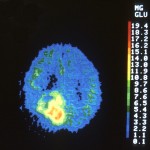
  • Infiltrating Brain Tumor
    Photo from nist.gov
  • Infiltrating tumors – Infiltrating tumors invade the surrounding brain tissue. They have undefined edges, and are most often malignant (cancerous).
  • Metastatic brain tumors – About 10% of brain tumors originate elsewhere in the body. These types of brain tumors occur when pieces of a tumor break off and spreads to the brain through the bloodstream. Most metastatic brain tumors originated from a lung cancer. Once cancer spreads into brain, fragments often break off and invade the lymphatic system, and easily spread to other parts of the body. (The lymphatic system is the system of nodes and capillaries.)
Each year, about 150,000 people are diagnosed with a metastatic brain tumor in the U.S.

2) Cerebral vascular disorders

Strokes – the 3rd leading cause of death in the U.S. – are sudden-onset disorders that cause brain damage. There are two main types:

  • Cerebral hemorrhage – Bleeding in the brain caused by a ruptured blood vessel
    • Aneurysm – Balloon-like dilation in the vessel wall which can be congenital or due to exposures to infection or toxins
  • Cerebral ischemia – Medications can be used to dissolve blockages in the brain. The blood vessels are too small to use the same types of procedures used in other parts of the body.
    • Thrombosis – Blocks blood supply
    • Embolism – Comes from another location, and travels through the blood stream after breaking off from another site

3) Closed head injuries

  • Cerebral contusions – Includes damage to the circulatory system, like hemotomas (clotted blood) and concussions (consciousness is disrupted, but there is no structural damage)

Chronic Traumatic Encephalopathy (CTE)

This is a long-term condition due the the result of multiple concussions (closed head injuries) often seen in professional and even amateur football players. Also often referred to as “Punch Drunk Syndrome” in relation to the brain damage incurred by professional boxers. This is a progressive disease in that those with CTE will end up needing cared for.

4) Brain infections

  • Bacterial infections of the brain – Meningitis, syphilis
  • Viral infections of the brain – Rabies, herpes simplex 1 (can lead to swelling of the brain/encephalitis)

5) Neuropsych diseases

Parkinson’s Disease

Parkinson’s is caused by insufficient dopamine biosynthesis in the dopaminergic neurons of the brain that result in communication problems between the substantia nigra and basal ganglia. Parkinson’s is a progressive disease that eventually causes rigidity of the limbs and tremors at rest. During the early stages, L-Dopa may be given to “super-charge” the remaining neurons. However, it does not stop the long-term progression of the disease. Embryonic stem cell (plurypotent neurons) implants in the substantia nigra done outside the U.S. are showing some promise/success in the treatment of Parkinson’s disease. Deep brain stimulation (DBS) in which an electrode is implanted in the brain near the substantia nigra also shows some success in treating symptoms of the disease, which slows, but does not stop the progression of the diease. Michael J. Fox has Parkinson’s disease, as seen in the video below.

Huntington’s Disease

Is the result of damage to the caudate nucleus and putamen that causes uncontrollable jerky movements. Symptoms typically begin to appear around age 40, and children who have a parent with Huntington’s have a 50/50 chance of inheriting the disease. Genetic testing is available for early diagnosis of Parkinson’s disease. Woody Guthrie died in 1967 as a result of Huntington’s disease, and Carol Carr made national news for killing her sons that were also affected by the disease.

6) Neurotoxins

content here

Filed Under: Psychology Tagged With: Brain, psychology

Uncovering the Neurobiological Basis of Creativity

03/16/2011 by 3icreative

Have you ever wondered how an artist is able to create such beautiful imagery, a writer is able to turn such an eloquent phrase, or a musician is able to synthesize such harmonious sounds? Or why some people are awesome creative problem-solvers? Well, there just may be a biological reason why some people are more “creative” than others…

What makes us creative?

Creativity Study - What Makes Us Creative?In the research study “Biochemical Support for the “Threshold” Theory of Creativity: A Magnetic Resonance Creativity Study” published in The Journal of Neuroscience, researchers attempted to better understand the neurobiological basis for creativity. To do so, they focused on answering 2 questions:

  • Whether N-acetyl-aspartate  (NAA) concentrations are related to creativity in healthy individuals;
  • If biochemical relationships conformed to the threshold hypothesis of the relationship between intelligence and creativity.

Historically, the neurobiological basis for creativity is not well understood, and until recently, not much progress has been made since the late 20th century. Creativity is a complex process, occurring within the most complex organ within our bodies. Many cognitive skills are necessary to produce something creative, as defined by something both novel and useful (Dietrich, 2004). Therefore, one of the challenges in any study on creativity is to avoid the urge to oversimplify, and instead, use the tools available to us to meaningfully link behavior to brain activity. Another challenge is whether creativity should be considered as an aspect of intelligence, or a unique ability unrelated to intelligence (Gray and Thompson, 2004; Jung and Haier, 2007).

In terms of background literature, the researchers relied heavily on studies that suggest creative achievers tend to be prolific, divergent thinkers (DT) that produce multiple solutions to solve problems (Simonton, 2003; Dietrich, 2007), as well as research by Sternberg (2005) that indicates up to an IQ of 120, creativity and intelligence are correlated. Other studies cited by the researchers include:

  • Creative individuals show lower levels of mental activity when engaged in creative problem-solving tasks (Jausovec, 2000; Dietrich, 2003);
  • Creative individuals show increased brain wave coherence (harmony) when at rest (Jausovec and Jausovec, 2000);
  • Creative individuals show strong stronger centroparietal synchronization (Fink and Neubauer, 2006);
  • Functional neuroimaging studies show negative and positive activations associated with creative tasks in a variety of brain regions (Carlsson et al., 2000; Bechtereva et al., 2004; Howard-Jones et al., 2005; Asari et al., 2008).

Because previous research is so limited, any additional studies focused on the neurobiological basis for creativity, and how it is related to intelligence, will improve upon and expand our current understanding of how the structures and functions of our brain produce useful and novel ideas, products and services, etc.

[More about creative approaches to problem-solving.]

Methods used to study the neurological basis of creativity

The sample for this study consisted of 56 adult male and female participants with above average intelligence, and ranging in age from 18 to 39. Significant measures were taken to ensure that all participants were both mentally and physically healthy, as well as well-matched based on major demographic and psychometric factors like sex, handness and IQ.  Participants for the study were solicited through postings at the University of New Mexico.

In addition, a sample of independent judges was recruited to create the “Composite Creativity Index” (CCI) based on the consensual assessment technique (Amabile, 1982) and rank the participants score on specific tasks.

To perform the study, researchers had the participants perform three divergent thinking tasks that were evaluated by the judges based on the CCI. They also measured how well participants performed on the Controlled Oral Word Association Test (COWAT), Wechsler Abbreviated Scale of Intelligence (WASI) and NEO Five-Factor Inventory (NEO-FFI).

The researchers measured the variables of interest using H-MRS imaging to monitor the levels of NAA concentration in eight specific brain regions of interest (see Figure 2) while tasks were performed.

Because there were only a limited number of participants (58 total), and the age range (18 to 39) was limited, the sample size does not appear to be representative of the general population. Because one of the intentions of the study was to clarify the relationship between intelligence and creativity, the selectivity of the participants in this regards seems warranted.  No information was provided in terms of geographic location, education, socioeconomic status, race/ethnicity, which are additional factors which may or may not affect the outcome of the study, and be interesting to have considered in terms of the accuracy of the study.

Results of the creativity study

The results of the study found a weak correlation between FSIQ to the CCI. In addition, CCI was positively correlated to openness to experience, as previously reported by a study by Sternberg in 2005, but not to other personality factors of the NEO-FFI. Other results of the study include:

  • Fluency while performing measures of the CCI was weakly correlated to openness of experience;
  • A model including lower right anterior gray matter NAA and higher left anterior gray matter predicted CCI;
  • CCI was strongly correlated with FSIA in the sample below the 120 IQ threshold, but not in the sample above;
  • CCI was related to VIQ, but not performance IQ, which caused a shift in the analysis of the relationships between intelligence, NAA and CCI;
  • Depending on which VIQ group the participant was in, different results were seen in terms of NAA levels in the various brain regions (Figure 3).

Discussion around the neurobiology of creativity

In general, the researchers concluded that NAA levels in various regions of the brain did predict creativity, proving this part of the hypothesis correct. Specifically, higher creative potential was present with higher right hemisphere gray matter NAA and lower right hemisphere NAA, suggesting that the threshold theory of the relationship between intelligence and creativity is also correct, and has a neurobiological basis.

In terms of implications of this study, it is not only the first to assess creativity in healthy participants, but also the first to demonstrate that neurometabolite levels predict DT, and that creativity is supported by different biochemical organization in people with higher versus lower levels of verbal intelligence.  NAA is linked to intelligence, memory and attention as related to health and disease; therefore, this study, and others conducted in the future to support and expand upon it, could have much larger implication in terms of improving higher cognitive functioning when it comes to treating degenerative disorders that affect the brain, advances in learning (education) and even organizational innovation.

The primary limitations of the study were a lack of fine-grained spectroscopic resolution, and inadequate distribution of intellectual capacity below the average range of functioning. Again, this latter factor is somewhat justified based upon the goals of the study. In addition, the reliance on DT as a measure of creativity is an on-going weakness, but one that is common to the field.

Personal thoughts about the study, and what makes us creative

Other than concerns about the sample size and its representation of the general population, this study is quite informative, especially in an area of research that has been somewhat overlooked. Given the current huge need in the Unites States for innovation at an organizational level, and the educational support systems  necessary to encourage it, any information that can help us better understand creativity, and how to enhance it, is welcome.

I would be interested in further research to determine how NAA levels, creativity and intelligence are linked from that nature versus nurture perspective. For example, does creativity run in a family? Are certain groups of people, based on geographic or race/ethnicity, more or less creative than others? How do environmental factors influence NAA levels and creativity? And finally, how are we able to manipulate these factors, using things like pharmacology (drugs), to improve creativeness and innovation in our population.

The study was quite complex. While I do not feel that the researchers should have done anything differently, I would like to see the study validated by additional research, and performed on a larger sample size more representative of the general population, and maybe even across different cultures, thereby giving us a better understanding of how we compare and can compete with other communities on both a local, regional and global level.

Filed Under: Psychology Tagged With: Brain, Creativity, psychology

The Midbrain: Mesencephalon

03/12/2011 by 3icreative

The midbrain, or mesencephalon, is comprised of the tectum and tegmentum.

Midbrain Mesencephalon

  • Tectum – The tectum is the dorsal surface of the midbrain. It is responsible for auditory/visual reflexes, like jumping when someone slams a door. There are 2 important parts of the tectum:
    • Superior colliculi – The top part, which controls the visual reflexes
    • Interior colliculi – The bottom part, which control the auditory reflexes
  • The Tegmentum - Red Nucleus & Substantia Nigra

  • Tegmentum –
    • Periaqueductal gray (PAG) – The periaqueductal gray is the gray matter around the cerebral aqueduct that deals with pain.
    • Substantia nigra and red nucleus – There are important components of the sensorimotor system, and play a role in Parkinson’s and dopamine.

Filed Under: Psychology Tagged With: Brain, psychology

The Hindbrain: Myelencephalon & Metencephalon

03/12/2011 by 3icreative

The hindbrain is composed of 2 regions: the metencephalon and myelencephalon. It is the most posterior region of the brain.

The metencephalon

Hindbrain Metencephalon

  • Pons – The part of the metencephalon located on the brain stem that forms a bulge on the brain stem’s ventral surface. It is involved in motor control and sensory analysis, acting as the sensory/motor relay center.
  • Cerebellum – The “cauliflower” piece in the back of the brain that is responsible for sensorimotor function (the part that helps regulate posture, balance, and coordination). Think of the “practice makes perfect” theory of sports, for example.
  • Reticular formation – The reticular formation is comprised of 2 columns of neuronal nuclei with ill-defined boundaries, which go up through the medulla and into the mesencephalon. The reticular formation plays a role in arousal, and regulates your sleep/wake cycle. It is also associated with habituation (example – able to tune out background noise), somatic motor control (tone, balance, and posture), cardiovascular regulation and pain modulation.

The myelencephalon

Hindbrain Myelencephalon

  • Medulla oblongata – Located between the pons and brain stem, the medulla is responsible for basic life support functions like respiration and heart rate. Therefore, you cannot have a non-functioning medulla. The medulla oblongata also acts as a protective system that eliminates things that don’t belong (sneezing/coughing) in your body. The medulla can be influenced/controlled through meditation.


Filed Under: Psychology Tagged With: Brain, psychology

In Pursuit of a Mind Map, Slice by Slice

12/29/2010 by 3icreative

Dr. Lichtman and his team of researchers at Harvard have built some unusual contraptions that carve off slivers of mouse brains as part of a quest to understand how the mind works. Their goal is to run slice after minuscule slice under a powerful electron microscope, develop detailed pictures of the brain’s complex wiring and then stitch the images back together. In short, they want to build a full map of the mind.

The field, at a very nascent stage, is called connectomics, and the neuroscientists pursuing it compare their work to early efforts in genetics. What they are doing, these scientists say, is akin to trying to crack the human genome — only this time around, they want to find how memories, personality traits and skills are stored.

Read the entire article at The New York Times.

Filed Under: Psychology Tagged With: Mind Map, psychology

  • « Previous Page
  • 1
  • 2
  • 3
  • Next Page »
  • About
  • Contact

Privacy Policy

Copyright © 2026 3iCreative LLC